





China Aluminum Alloy for Bridges, Railways, and Transport - Leading Suppliers and Factory Solutions for Modernization
product description
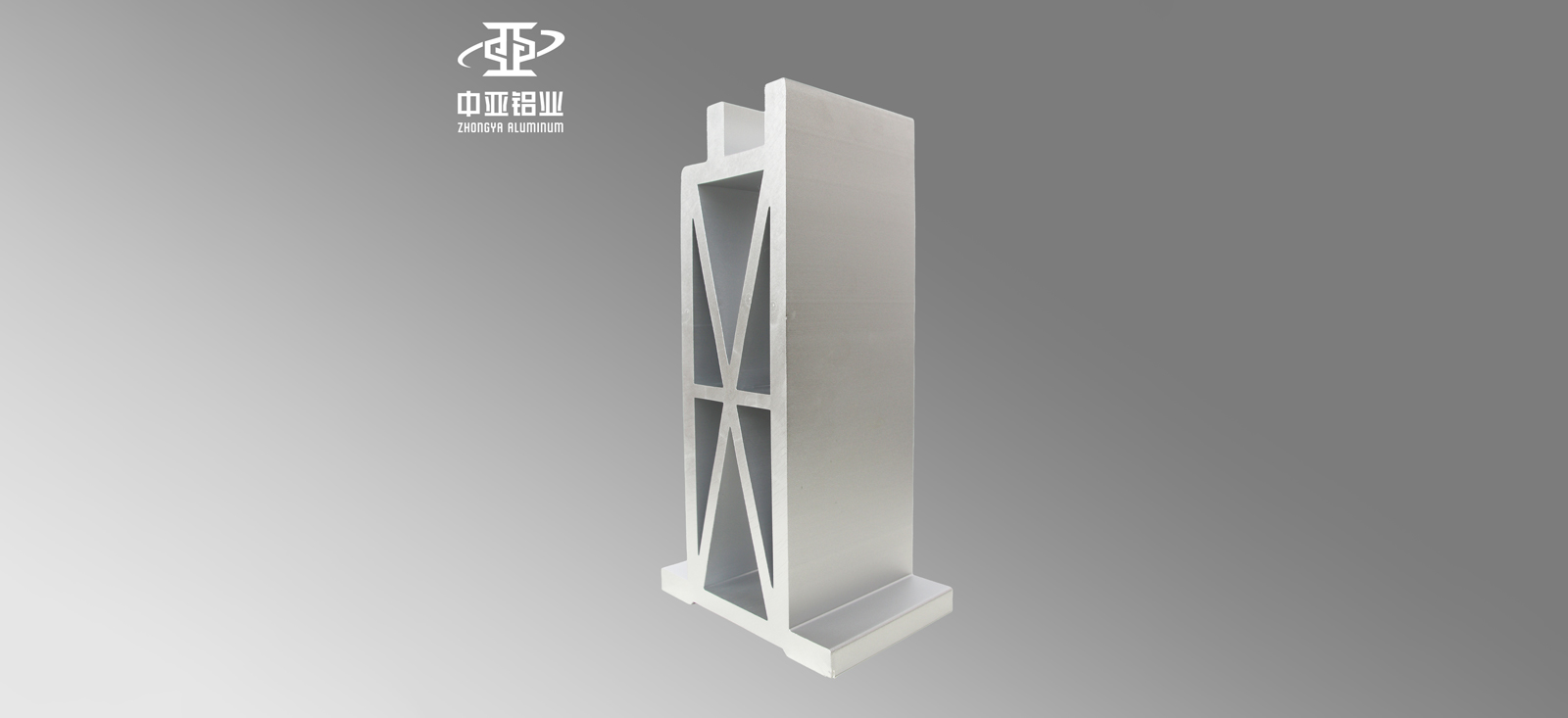
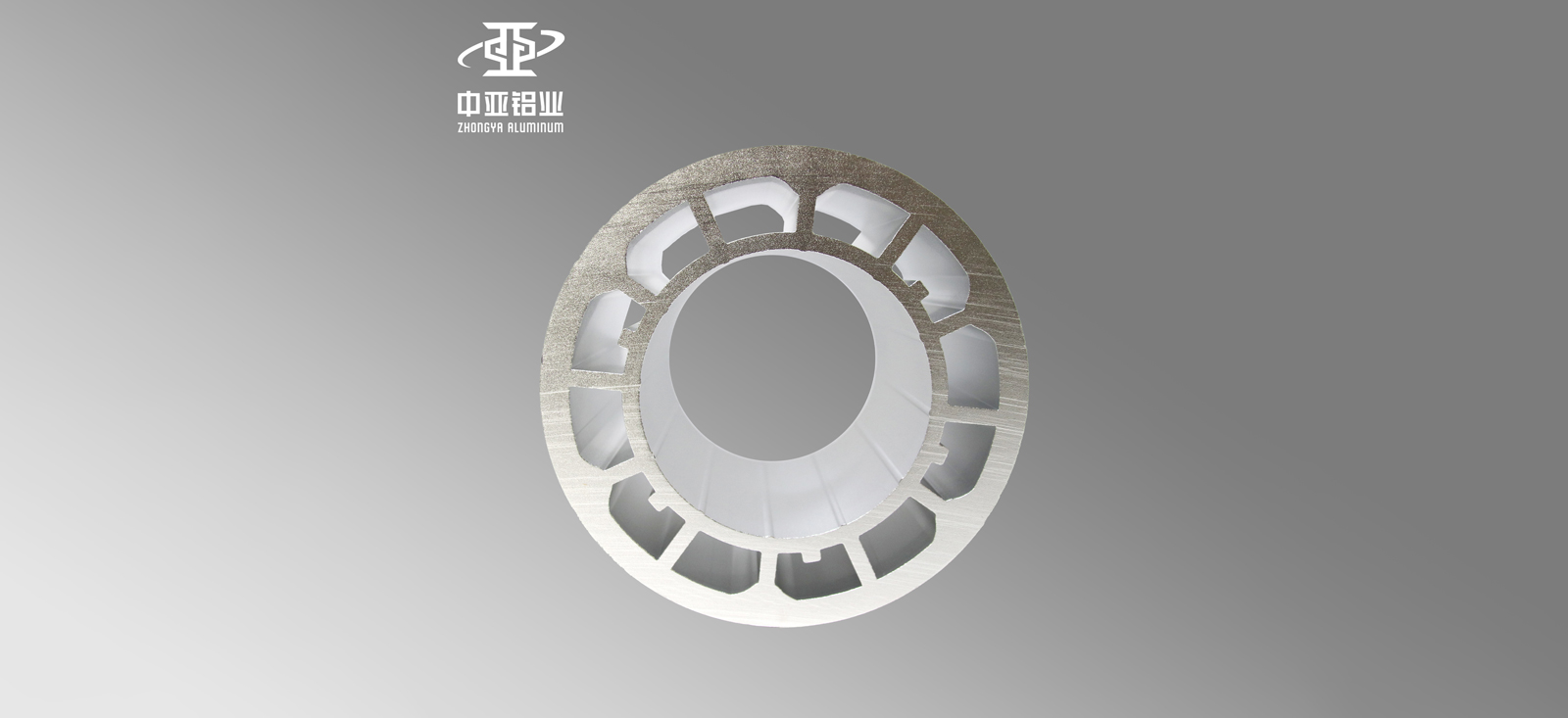
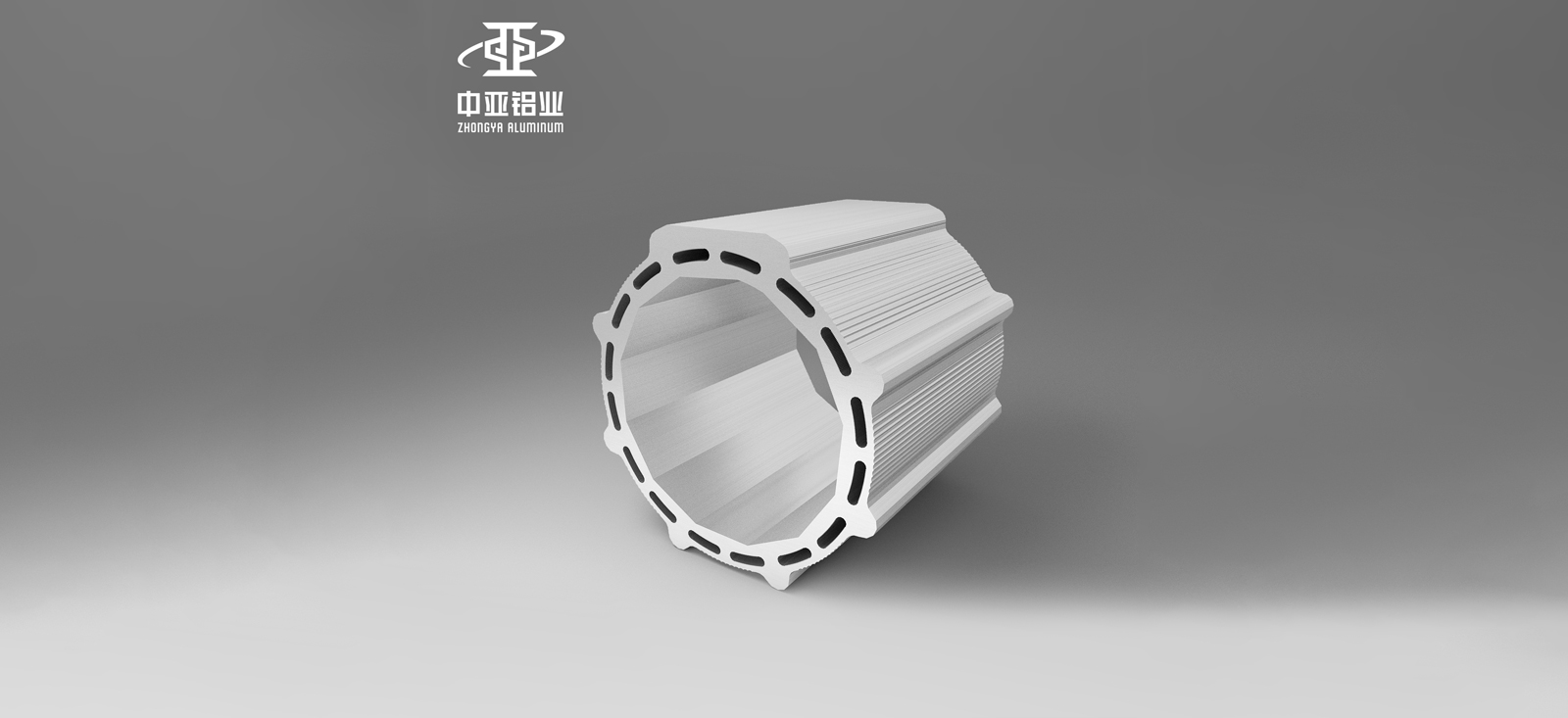
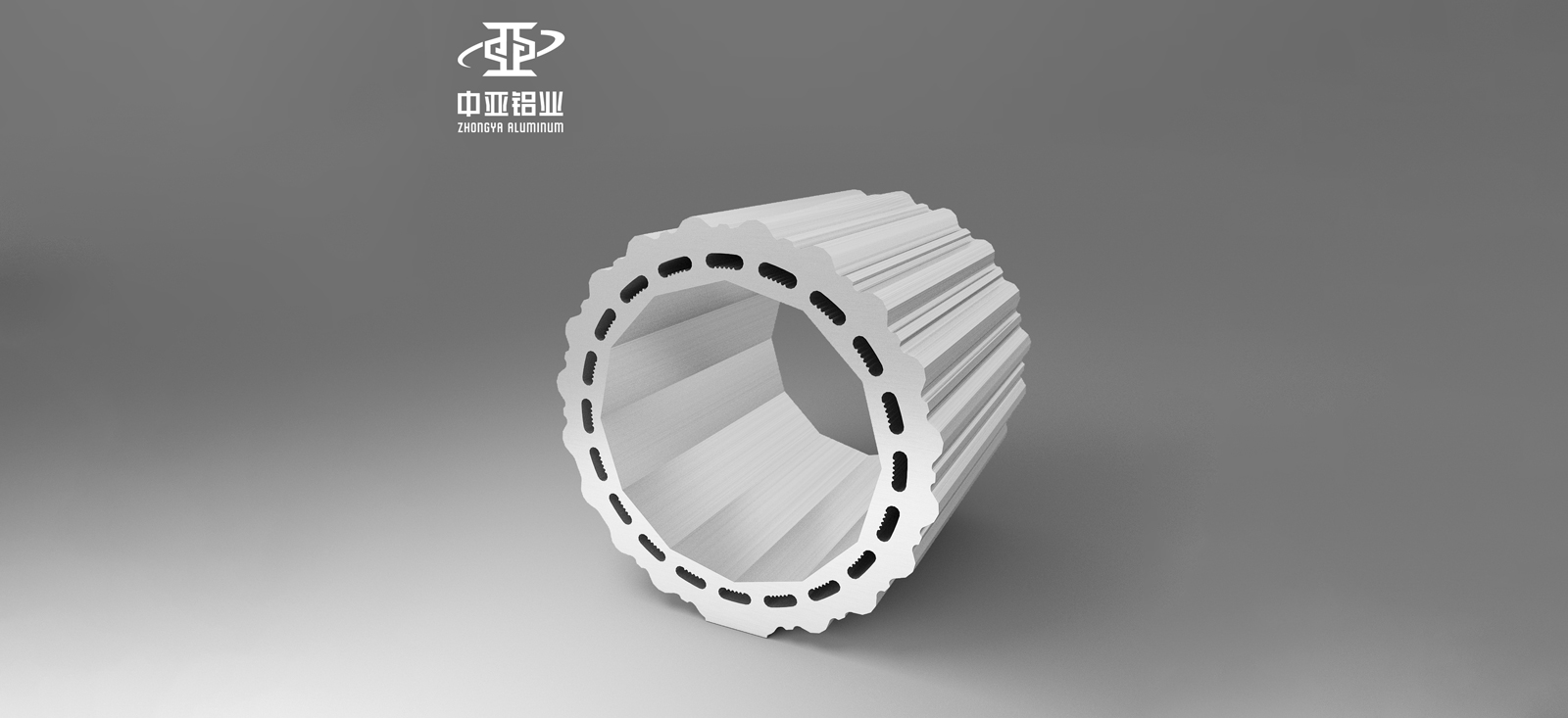
Aluminum alloys are increasingly being used in various areas of transportation, including pedestrian bridges, railway systems, and air, land, and sea transportation. Aluminum pedestrian bridges, for example, are lightweight yet strong, allowing for faster and more efficient construction. They are also highly durable and resistant to corrosion, which reduces maintenance costs and extends the lifespan of the structure. The ability to recycle aluminum at the end of its lifecycle further enhances its appeal as a sustainable construction material.
In rail transportation, aluminum alloys offer significant advantages in reducing the weight of railcars and components, leading to improved energy efficiency and higher speeds. The lightweight nature of aluminum not only decreases fuel consumption but also enhances the performance of electric and high-speed trains by reducing the load on the tracks and engines. This ultimately results in lower operational costs and reduced environmental impact.
Central Asia Aluminum Co., Ltd. has conducted extensive research and development on the use of aluminum alloys in rail transportation. The company has developed a range of high-performance, high-strength, and heat-resistant aluminum alloys to meet diverse performance requirements. These new materials offer exceptional physical and mechanical properties, including resistance to heat and corrosion, and are ideal for applications that require anodized finishes for aesthetic or functional purposes. This innovation supports the broader use of aluminum in transportation, helping to drive the industry's shift toward more sustainable, energy-efficient solutions.
By leveraging the benefits of aluminum, Central Asia Aluminum is actively contributing to the modernization and greening of the global transportation industry, enhancing the role of aluminum in air, land, and sea transport.
Frequently Asked Questions
Why is aluminum alloy preferred for pedestrian bridges?
Aluminum alloys are lightweight yet strong, which enables faster and more efficient construction. They are highly durable, corrosion-resistant, and 100% recyclable, significantly reducing long-term maintenance costs and environmental impact.
How does aluminum improve rail transportation efficiency?
By reducing the weight of railcars and structural components, aluminum alloys lower energy consumption and allow for higher speeds. This weight reduction also minimizes the load on tracks and engines, leading to lower operational costs.
What types of aluminum alloys has Central Asia Aluminum developed?
Central Asia Aluminum Co., Ltd. has developed a range of high-performance, high-strength, and heat-resistant aluminum alloys. These materials are engineered to meet diverse and demanding physical and mechanical requirements in the transportation sector.
Are these aluminum alloys suitable for anodized finishes?
Yes, the newly developed high-performance alloys are ideal for applications requiring anodized finishes, which provide both enhanced aesthetic appeal and functional protection against wear and corrosion.
How does using aluminum contribute to green transportation?
Aluminum helps reduce the overall weight of vehicles and structures, leading to lower fuel consumption and greenhouse gas emissions. Additionally, its recyclability at the end of its lifecycle supports a sustainable circular economy.
Leave A Message
During this meeting, fool free to communicate your ideas and ask lots of questions.