





China Aluminum Alloy for Bridges, Railways, and Transport | Reliable Suppliers & Factory Solutions
product description
Pedestrian Bridges & Infrastructure
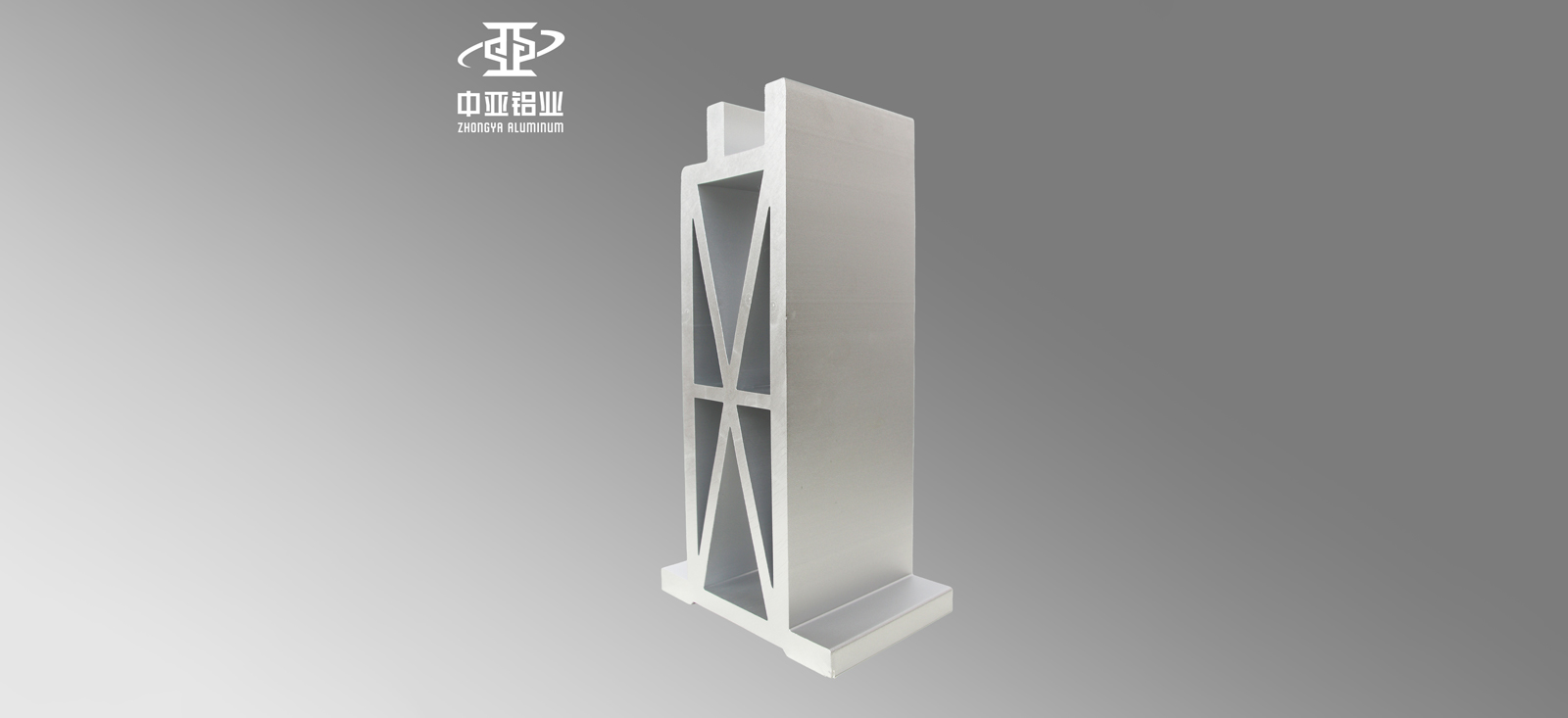
Aluminum alloys are increasingly being used in various areas of transportation, including pedestrian bridges, railway systems, and air, land, and sea transportation. Aluminum pedestrian bridges, for example, are lightweight yet strong, allowing for faster and more efficient construction. They are also highly durable and resistant to corrosion, which reduces maintenance costs and extends the lifespan of the structure. The ability to recycle aluminum at the end of its lifecycle further enhances its appeal as a sustainable construction material.
Rail Systems & Energy Efficiency
In rail transportation, aluminum alloys offer significant advantages in reducing the weight of railcars and components, leading to improved energy efficiency and higher speeds. The lightweight nature of aluminum not only decreases fuel consumption but also enhances the performance of electric and high-speed trains by reducing the load on the tracks and engines. This ultimately results in lower operational costs and reduced environmental impact.
Central Asia Aluminum Co., Ltd. R&D
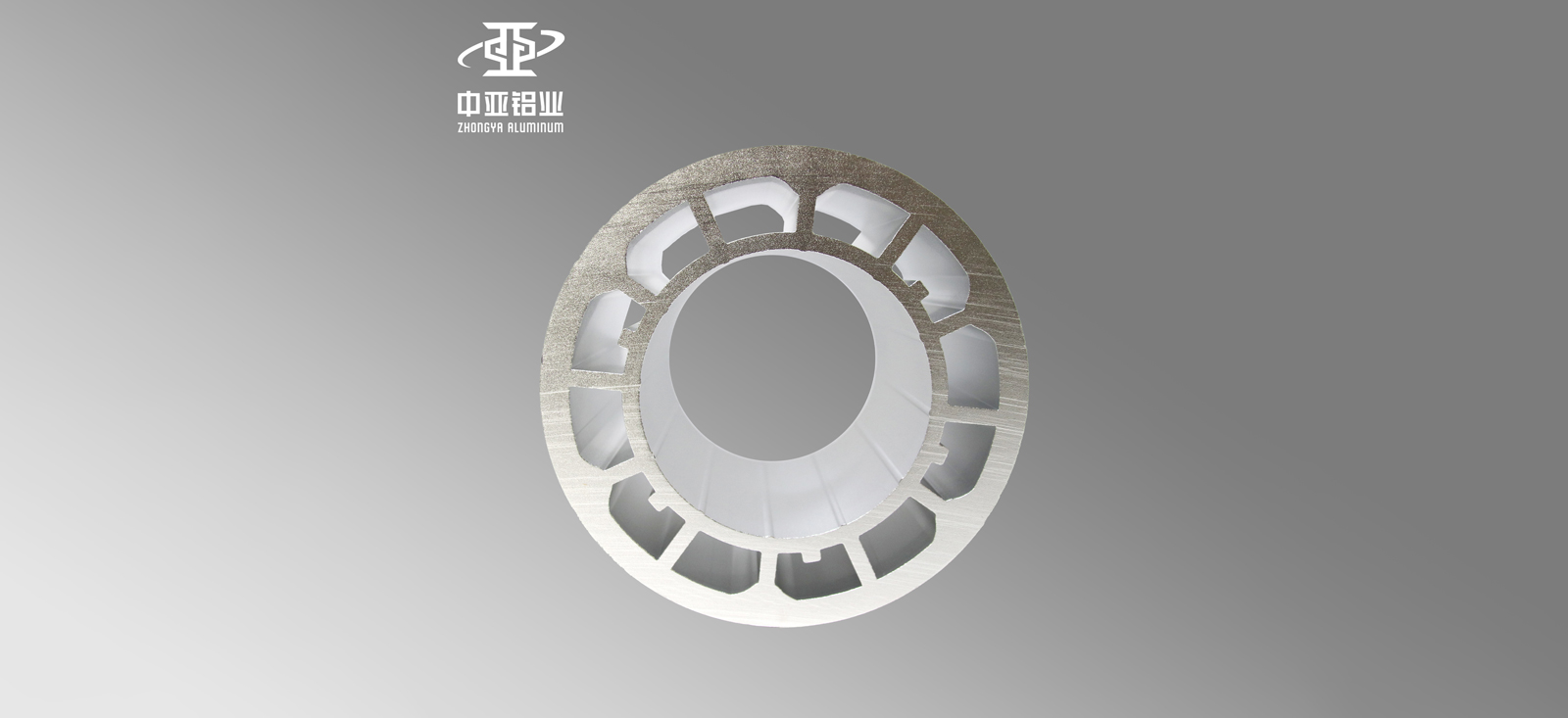
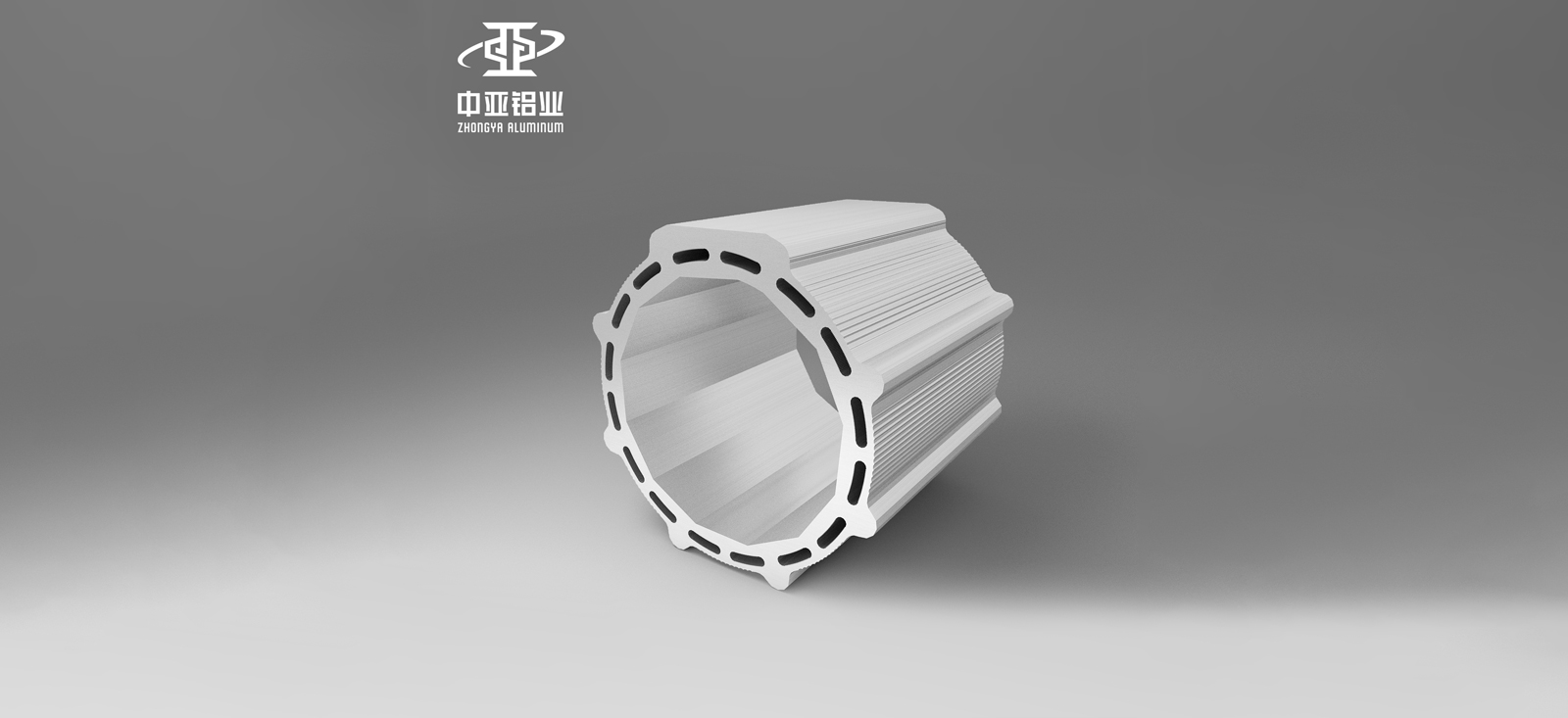
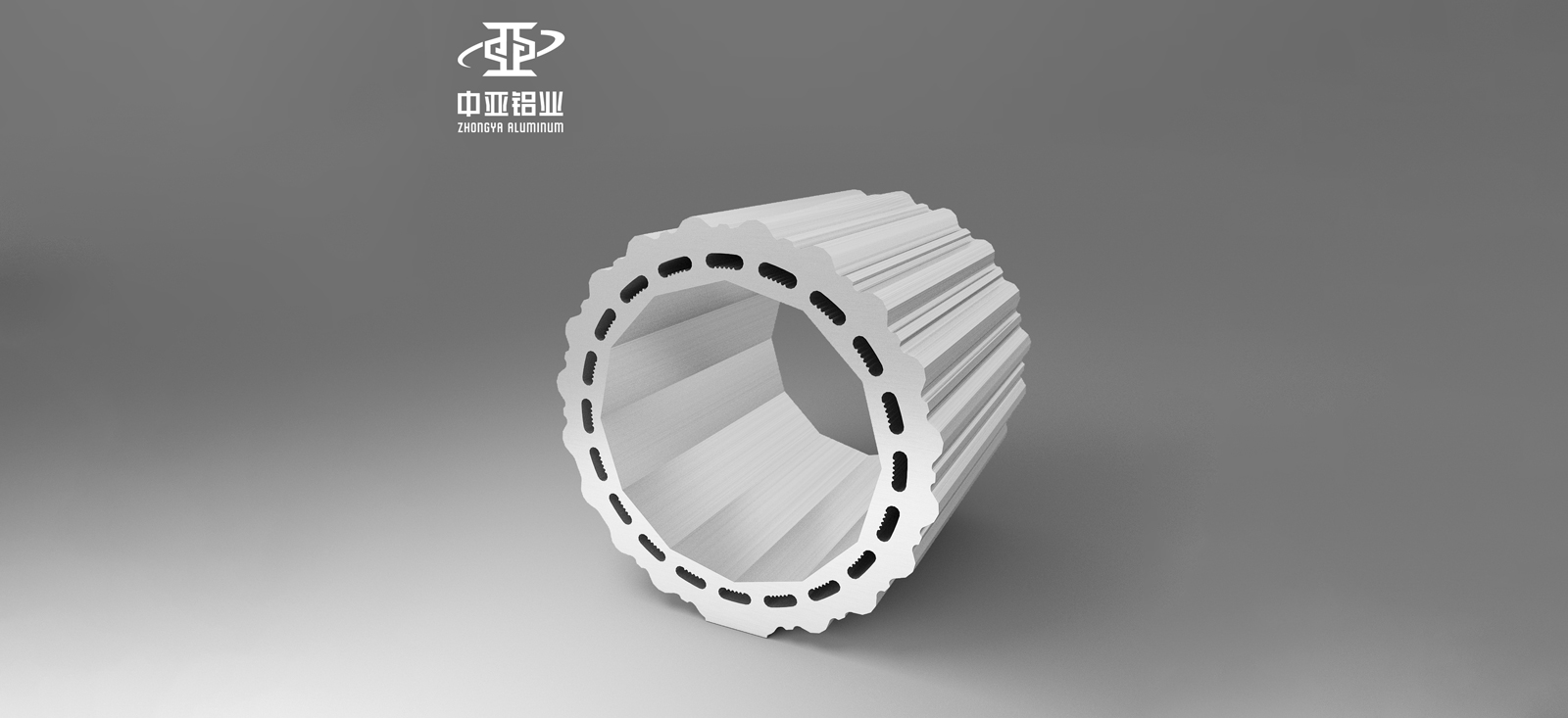
Central Asia Aluminum Co., Ltd. has conducted extensive research and development on the use of aluminum alloys in rail transportation. The company has developed a range of high-performance, high-strength, and heat-resistant aluminum alloys to meet diverse performance requirements. These new materials offer exceptional physical and mechanical properties, including resistance to heat and corrosion, and are ideal for applications that require anodized finishes for aesthetic or functional purposes. This innovation supports the broader use of aluminum in transportation, helping to drive the industry's shift toward more sustainable, energy-efficient solutions.
By leveraging the benefits of aluminum, Central Asia Aluminum is actively contributing to the modernization and greening of the global transportation industry, enhancing the role of aluminum in air, land, and sea transport.
Frequently Asked Questions (FAQ)
Q: What are the benefits of using aluminum alloys in pedestrian bridges?
Aluminum pedestrian bridges are lightweight yet strong, which enables faster and more efficient construction. They also feature high durability and resistance to corrosion, helping to reduce maintenance costs and extend the lifespan of the structures.
Q: How do aluminum alloys improve rail transportation efficiency?
By reducing the overall weight of railcars and their components, aluminum alloys decrease fuel consumption and improve energy efficiency. They also enhance the performance of electric and high-speed trains by lessening the load on the engines and tracks.
Q: What specific innovations has Central Asia Aluminum Co., Ltd. introduced?
The company has developed a range of high-performance, high-strength, and heat-resistant aluminum alloys. These materials feature excellent physical and mechanical properties, including corrosion and heat resistance, and are suitable for anodized finishes.
Q: Is aluminum a sustainable material for transportation infrastructure?
Yes, the ability to fully recycle aluminum at the end of its lifecycle makes it a highly sustainable construction material, which supports the modernization and greening of the global transportation industry.
Q: In what areas of transportation are aluminum alloys applied?
Aluminum alloys are increasingly utilized across various sectors, including pedestrian bridges, railway systems, and air, land, and sea transportation.
Leave A Message
During this meeting, fool free to communicate your ideas and ask lots of questions.