


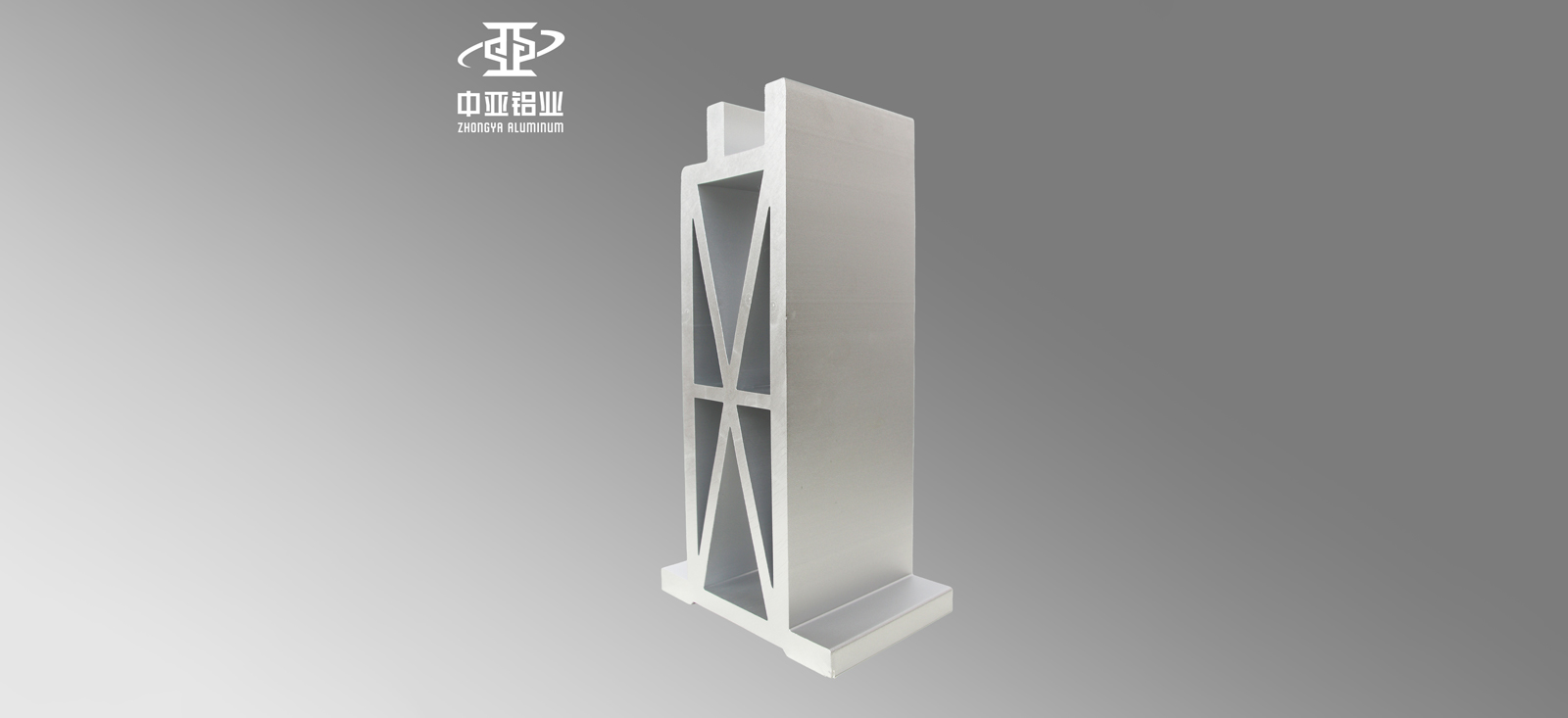

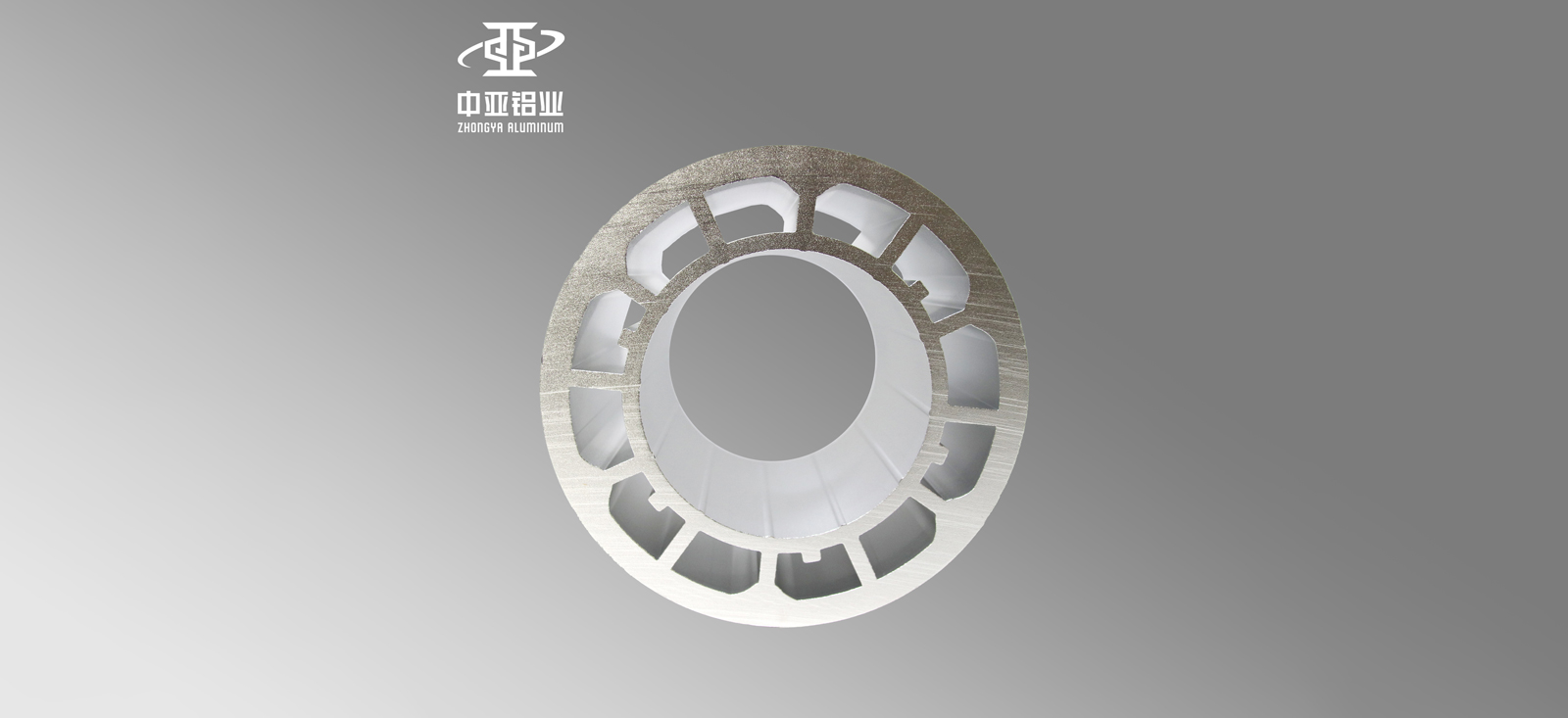

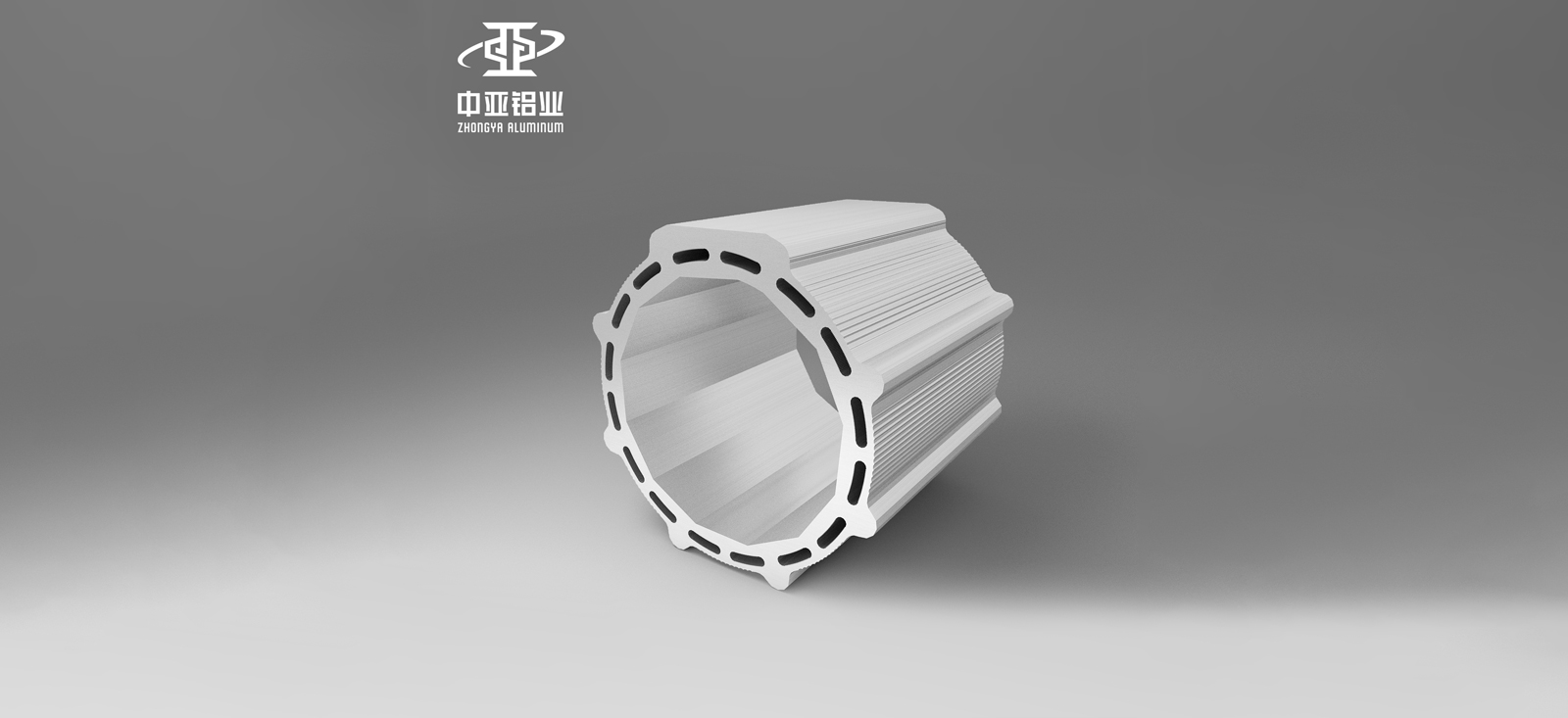

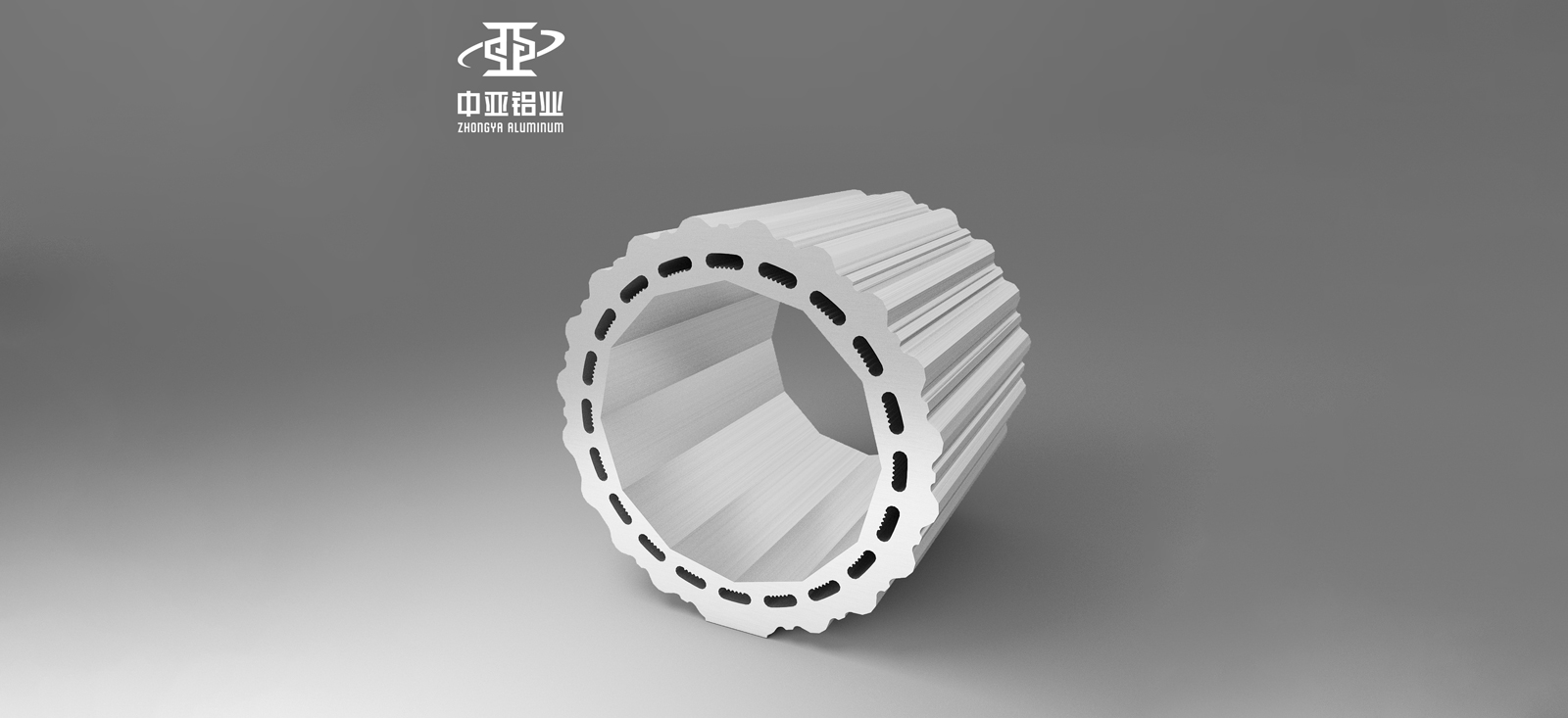
China Suppliers of Aluminum Alloy for Bridges, Railways, and Transport - Sustainable Solutions from Our Factory
Product Description
Infrastructure & Pedestrian Bridges
Aluminum alloys are increasingly being used in various areas of transportation, including pedestrian bridges, railway systems, and air, land, and sea transportation. Aluminum pedestrian bridges, for example, are lightweight yet strong, allowing for faster and more efficient construction. They are also highly durable and resistant to corrosion, which reduces maintenance costs and extends the lifespan of the structure. The ability to recycle aluminum at the end of its lifecycle further enhances its appeal as a sustainable construction material.
Rail Transportation Efficiency
In rail transportation, aluminum alloys offer significant advantages in reducing the weight of railcars and components, leading to improved energy efficiency and higher speeds. The lightweight nature of aluminum not only decreases fuel consumption but also enhances the performance of electric and high-speed trains by reducing the load on the tracks and engines. This ultimately results in lower operational costs and reduced environmental impact.
Innovative R&D by Central Asia Aluminum
Central Asia Aluminum Co., Ltd. has conducted extensive research and development on the use of aluminum alloys in rail transportation. The company has developed a range of high-performance, high-strength, and heat-resistant aluminum alloys to meet diverse performance requirements. These new materials offer exceptional physical and mechanical properties, including resistance to heat and corrosion, and are ideal for applications that require anodized finishes for aesthetic or functional purposes. This innovation supports the broader use of aluminum in transportation, helping to drive the industry's shift toward more sustainable, energy-efficient solutions.
By leveraging the benefits of aluminum, Central Asia Aluminum is actively contributing to the modernization and greening of the global transportation industry, enhancing the role of aluminum in air, land, and sea transport.
Frequently Asked Questions
Q: What are the benefits of using aluminum alloys in pedestrian bridges?
Aluminum pedestrian bridges are lightweight yet strong, which enables faster and more efficient construction. They are highly durable, resistant to corrosion (reducing maintenance costs), and can be fully recycled at the end of their lifecycle.
Q: How do aluminum alloys improve the efficiency of rail transportation?
By reducing the weight of railcars and their components, aluminum alloys improve energy efficiency and enable higher speeds. This weight reduction decreases fuel consumption and lowers the physical load on tracks and engines.
Q: What specific properties do Central Asia Aluminum's new alloys offer?
Central Asia Aluminum has developed high-performance, high-strength, and heat-resistant aluminum alloys. These materials offer exceptional physical and mechanical properties, including resistance to heat and corrosion, and are suitable for anodized finishes.
Q: In what areas of transportation is aluminum being utilized?
Aluminum alloys are increasingly utilized across various transportation sectors, including pedestrian bridges, railway systems, and air, land, and sea transportation.
Q: How does the use of aluminum contribute to environmental sustainability?
Aluminum contributes to sustainability through its recyclability at the end of its lifecycle, and by lowering operational emissions and energy consumption in vehicles due to its lightweight nature.
Leave A Message
During this meeting, fool free to communicate your ideas and ask lots of questions.